
Driveway Cleaning Guide: How to Keep Your Driveway Looking Like New
Your driveway is one of the first things people notice when they arrive at your home. A clean, well-maintained driveway instantly improves your property’s street appeal, while a dirty driveway covered in mould, algae, oil stains and grime can make even the nicest home look neglected.
This Driveway Cleaning Guide will show you how to clean different driveway surfaces, remove common stains, maintain your driveway throughout the year, and know when it’s time to call in the professionals. Whether your driveway is concrete, exposed aggregate or pavers, these tips will help you achieve the best results.
Why Every Homeowner Needs a Driveway Cleaning Guide
Many homeowners don’t think about cleaning their driveway until it becomes heavily stained or slippery. However, regular maintenance helps protect your investment and keeps your property looking its best.
Cleaning your driveway regularly can:
● Improve your home’s street appeal.
● Increase property value.
● Remove slippery mould and algae.
● Extend the life of your driveway.
● Prevent permanent staining.
● Create a safer surface for your family and visitors.
A little maintenance now can save you from expensive repairs or replacement in the future.
Why Driveways Become Dirty
Driveways are constantly exposed to the weather, vehicles and foot traffic. Over time they naturally collect dirt and organic growth.
Some of the most common causes include:
Mould
Black mould thrives in damp, shaded areas and quickly spreads across concrete surfaces.
Algae
Green algae develops in humid conditions and becomes extremely slippery when wet.
Moss
Moss often grows between pavers and along the edges of driveways where moisture remains.
Oil and Grease
Leaking vehicles leave behind oil stains that soak deep into concrete if not treated quickly.
Tyre Marks
Hot tyres leave dark rubber marks that can build up over time.
Dirt and Leaf Stains
Leaves, soil and garden debris slowly stain driveways, especially after rain.
Understanding what you’re dealing with helps you choose the correct cleaning method.

Driveway Cleaning Guide: Identify Your Driveway Surface
Before cleaning, identify the type of driveway you have. Each surface requires a slightly different approach.
Concrete Driveways
Concrete is durable but porous, allowing oil and dirt to penetrate the surface. Professional pressure cleaning usually restores concrete extremely well.
Exposed Aggregate
Exposed aggregate needs lower pressure than plain concrete to avoid damaging the decorative stones.
Paved Driveways
Pavers collect moss, weeds and dirt between the joints. Cleaning often involves pressure washing followed by replacing the jointing sand.
Decorative Concrete
Coloured or decorative concrete should always be cleaned carefully using the correct pressure settings to protect the finish.
Prepare Before You Start Cleaning
Good preparation makes the job easier and produces better results.
Before cleaning:
● Remove all vehicles.
● Move outdoor furniture and pots.
● Sweep away loose dirt and leaves.
● Remove sticks and larger debris.
● Cover nearby electrical outlets if necessary.
Starting with a clean surface allows the pressure washer to work more effectively.
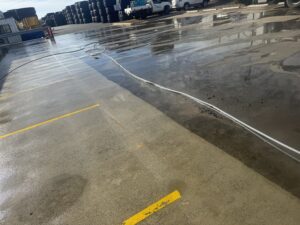
Driveway Cleaning Guide: The Best Way to Remove Common Stains
Different stains require different cleaning methods.
Oil Stains
Fresh oil spills should be absorbed immediately using absorbent material. Older stains usually require a quality degreaser before pressure cleaning.
Rust Stains
Rust caused by fertiliser, metal furniture or bore water often requires specialised rust-removal products.
Mould and Algae
Applying a mould treatment before pressure cleaning kills spores and helps reduce future regrowth.
Tyre Marks
Tyre marks generally require both a suitable cleaning solution and pressure washing to achieve the best results.
Choosing The Right Cleaning Equipment
The right equipment makes a huge difference.
Basic tools include:
● A stiff broom
● Garden hose
● Pressure washer
● Surface cleaner attachment
● Safety glasses
● Gloves
● Suitable cleaning products
Commercial-grade pressure cleaners provide more consistent results than most domestic machines.
Driveway Cleaning Guide: Should You Pressure Clean It Yourself?
Many homeowners choose to hire a pressure cleaner and tackle the job themselves.
While this can work for light cleaning, there are some risks.
Common DIY mistakes include:
● Using too much pressure.
● Leaving visible cleaning lines.
● Damaging decorative concrete.
● Removing jointing sand from pavers.
● Forcing water beneath pavers.
● Using incorrect cleaning chemicals.
If you’re inexperienced, these mistakes can permanently damage your driveway.
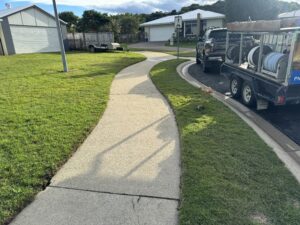
Benefits of Professional Driveway Cleaning
Professional pressure cleaning companies have commercial equipment and experience that often produce far better results.
Benefits include:
● Even cleaning across the entire surface.
● Better stain removal.
● Professional mould treatments.
● Faster completion times.
● Correct pressure settings.
● Longer-lasting results.
Professional cleaning also reduces the risk of damaging expensive driveway surfaces.
Eco-Friendly Driveway Cleaning
Many modern cleaning products are biodegradable and environmentally friendly.
Choosing eco-friendly cleaning solutions helps protect:
● Gardens
● Pets
● Stormwater systems
● Local waterways
Using the correct cleaning products also reduces the need for excessive pressure, making the process safer for your driveway.
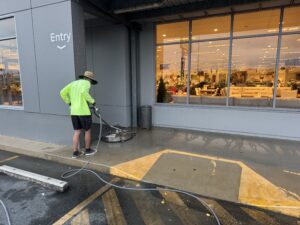
How Often Should You Clean Your Driveway?
As a general guide, most driveways should be professionally cleaned every 12 to 24 months.
However, more frequent cleaning may be needed if your driveway:
● Is shaded for most of the day.
● Sits beneath large trees.
● Experiences heavy traffic.
● Is exposed to constant moisture.
● Develops mould quickly.
Regular maintenance prevents heavy staining and keeps your driveway looking its best all year round.
Safety Tips for Cleaning a Driveway
Always put safety first.
Remember to:
● Wear enclosed footwear.
● Use eye protection.
● Keep children and pets away.
● Never point a pressure washer at people.
● Follow all chemical safety instructions.
● Allow slippery surfaces to dry before walking on them.
Taking a few extra precautions can help prevent injuries and damage.
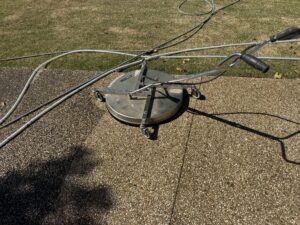
Final Thoughts on This Driveway Cleaning Guide
Following this Driveway Cleaning Guide will help you keep your driveway clean, safe and looking its best for years to come. Regular maintenance not only improves your home’s appearance but also extends the life of your concrete or paving and reduces the build-up of mould, algae and stubborn stains.
If your driveway has years of built-up grime or stubborn stains that won’t come off with DIY methods, professional pressure cleaning is often the safest and most effective solution.
At Pristine WashingPristine Washing, we specialise in restoring driveways using commercial-grade equipment and proven cleaning methods. Whether you have concrete, exposed aggregate or pavers, we’re here to help bring your driveway back to life.
Contact Pristine Washing today for friendly advice or a free quote.
Frequently Asked Questions
How often should I clean my driveway?
Most driveways benefit from professional cleaning every 12 to 24 months, depending on weather conditions and how quickly mould or dirt builds up.
Can pressure cleaning damage concrete?
Yes, if incorrect pressure settings or techniques are used. Professional cleaners know how to clean safely without damaging the surface.
What’s the best way to remove oil stains?
Fresh oil stains are much easier to remove than old ones. A quality degreaser followed by pressure cleaning usually produces the best results.
Is this driveway cleaning guide suitable for pavers?
Yes. This driveway cleaning guide covers concrete, exposed aggregate and paved driveways, although each surface requires slightly different cleaning methods.
Should I hire a professional?
If your driveway has heavy mould, algae, rust or oil stains, professional cleaning is usually faster, safer and provides longer-lasting results than DIY cleaning.