
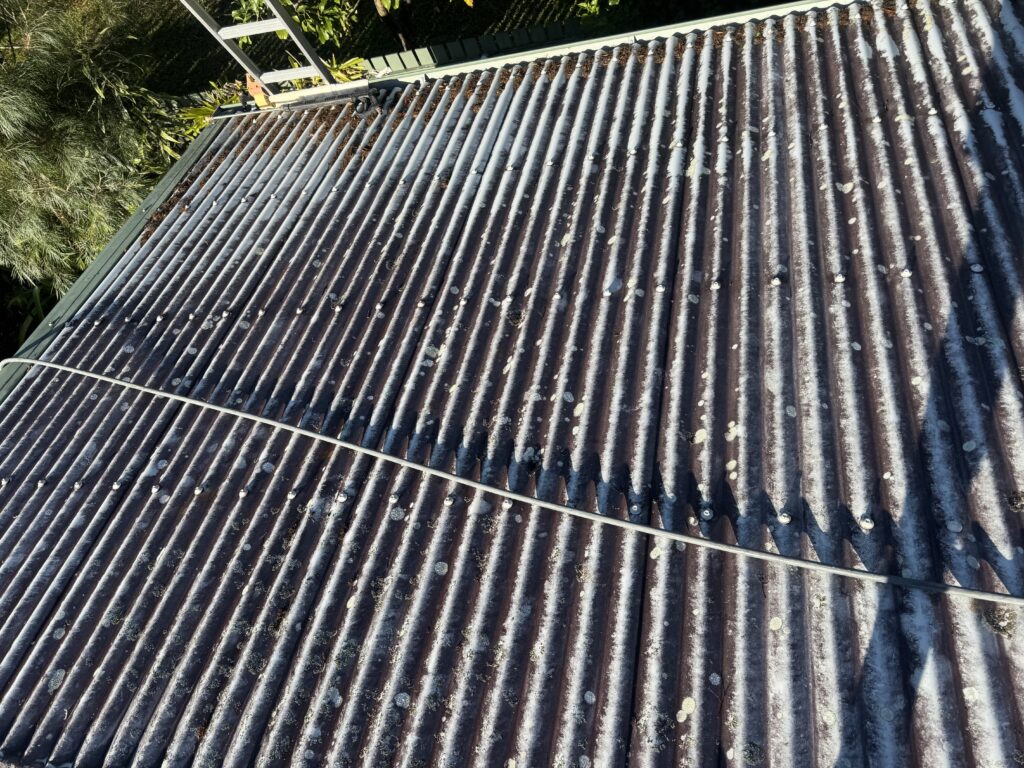
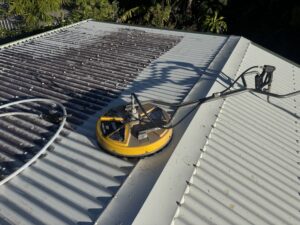
How often should you clean your roof? For most Mackay homes, the answer depends on the roof material, nearby trees, shade, salt exposure and how quickly mould or algae returns after our tropical wet seasons.
Some roofs may stay presentable for several years, while others begin developing dark streaks, green patches and lichen much sooner. Roofs in shaded areas or homes closer to the coast can require more frequent attention.
Rather than waiting until the roof looks heavily stained, it is better to watch for the early warning signs. Cleaning at the appropriate time can improve the appearance of your home and remove organic growth before it becomes harder to treat.
How Often Should You Clean Your Roof in Mackay?
Many Mackay roofs benefit from being professionally inspected each year and cleaned approximately every two to three years. However, there is no single schedule that suits every property.
Your roof may need cleaning sooner if it:
● Receives limited sunlight
● Is surrounded by trees
● Remains damp after rain
● Is exposed to coastal salt and moisture
● Has sections where water drains slowly
● Has previously experienced heavy mould or lichen growth
Painted roofs around Mackay often begin showing visible staining at approximately the three-year mark. Roofs with more shade or overhanging trees may need attention sooner.
The best way to decide how often you should clean your roof is to assess its current condition instead of relying only on the number of years since its last clean.
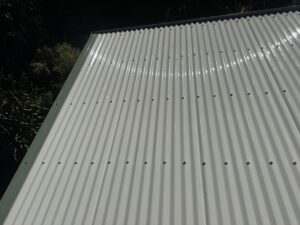
1. Black Streaks Are Appearing Across the Roof
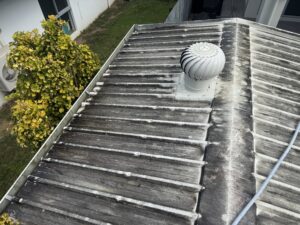
Dark streaks are one of the most noticeable signs that a roof needs cleaning. These marks are commonly associated with mould, algae, dirt and airborne organic matter accumulating across the surface.
The streaks often begin on shaded sections that receive less direct sunlight. Over time, they can spread across larger areas and make the entire roof appear older than it is.
Mackay’s humidity, warm weather and tropical rain provide favourable conditions for this type of growth. Cleaning the roof while the marks are still developing is generally easier than waiting until they cover most of the surface.
2. Green Growth Is Visible Around Roof Edges
Green patches can develop around roof edges, gutters, overlaps, valleys and other areas that stay damp longer after rain.
This growth may be algae, moss or another form of organic contamination. It can be particularly noticeable on lighter Colorbond roofs and painted surfaces.
If the growth is confined to one section, it may indicate that the area receives more shade or has slower drainage. A professional roof inspection can help identify what is growing and determine the most suitable cleaning method.
3. Your Roof Looks Dull or Has Lost Its Original Colour
A roof does not need to be covered in black mould before cleaning makes a difference. A gradual layer of dust, road grime and airborne contamination can make the surface look faded or dull.
This is common on Mackay properties near busy roads, construction areas or industrial activity. The roof’s original colour may still be underneath the contamination.
Professional roof washing can remove this surface buildup and restore a cleaner, more even appearance. Painted roofs must be inspected first because aggressive cleaning can damage an ageing or deteriorated coating.
4. Lichen or Moss Has Started Growing
Lichen can attach firmly to roof tiles and other surfaces. Unlike loose dirt, it may not disappear immediately after a cleaning treatment.
The organic growth must be treated correctly so it releases from the roof without unnecessary damage to the underlying material. Some remaining spots may continue breaking down naturally after treatment.
Trying to scrape or aggressively pressure-clean lichen can damage tiles, coatings and seals. This is one reason roof material and condition must be considered before any equipment is used.
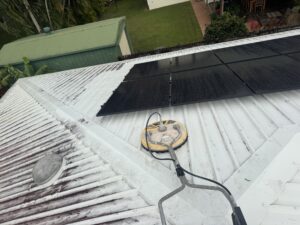
5. Mould Returns Soon After the Wet Season
Mackay’s wet season can leave roof surfaces damp for extended periods, particularly on homes surrounded by trees or positioned in shaded locations.
If mould returns quickly after heavy rain, your roof may be holding moisture in certain areas. Valleys, overlaps and southern-facing sections are often among the first places to show regrowth.
Checking the roof after the wet season can help you identify new contamination before it becomes heavily established.
6. Gutters, Fascias and Eaves Look Heavily Stained
Dirty gutters, fascias and eaves can indicate that the roof above them is also carrying mould, dirt or organic material.
Rainwater washes contaminants from the roof toward the gutters. This can leave dark runoff marks on exterior gutter faces and staining around the eaves.
Cleaning only the lower areas may improve their appearance temporarily, but the contamination on the roof can continue washing down during future rain.
Pristine Washing can assess the roof together with the exterior gutters, fascias and eaves to create a more even result across the property.
7. You Are Preparing to Paint or Sell the Property
Roof cleaning can make a considerable difference when preparing a property for sale. The roof is a large visible part of the exterior, and heavy staining can affect the home’s overall street appeal.
Cleaning is also an important preparation step before roof painting. Paint should not be applied over dirt, mould, chalky residue or loose organic matter.
If the roof is going to be painted, the cleaning method should be discussed with the roofing contractor. This helps ensure the surface is prepared to suit the coating system they intend to use.
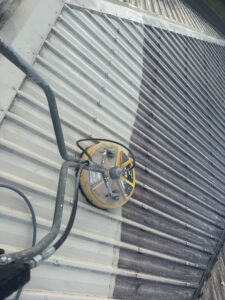
How Often Should a Colorbond Roof Be Cleaned?
How often should you clean your roof if it is Colorbond? In many cases, an inspection every year and cleaning when visible contamination develops is a practical approach.
Colorbond roofs can accumulate:
● Black mould streaks
● Green algae
● Salt residue
● Dust and road grime
● Organic matter from nearby trees
The condition of the coating must be checked before cleaning. Excessive pressure, unsuitable chemicals and poor technique can mark or damage the finished surface.
At Pristine Washing, we adjust the cleaning process according to the roof’s coating, age, contamination and safe access requirements.
How Often Should a Tile Roof Be Cleaned?
Concrete and terracotta tiles can provide small textured areas where dirt, mould and lichen become established.
A tile roof may need cleaning approximately every two to four years, but shaded or heavily contaminated roofs may require attention sooner. Cracked, loose or deteriorated tiles should be identified before cleaning begins.
The process must be controlled carefully to avoid unnecessary pressure on ageing tiles, pointing and other roofing components.
What About Painted Roofs?
Painted roofs require additional care because the coating’s condition can vary considerably.
A sound painted surface may respond well to professional cleaning. However, an older coating may be chalky, faded, flaking or poorly bonded to the roof underneath.
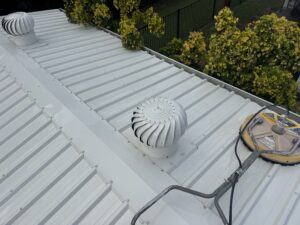
We inspect the visible condition of the paint before beginning and select a method that suits the surface. Roof washing cannot repair failed paint, rust or existing coating damage, but it can remove contamination and show the roof’s condition more clearly.
Why DIY Roof Cleaning Can Be Risky
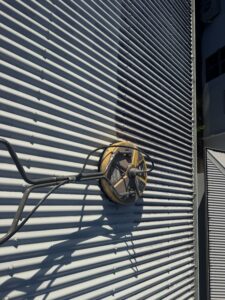
Roof cleaning involves more than pointing a pressure cleaner at the surface. Working at height presents a serious fall risk, and wet roof materials can become extremely slippery.
Other DIY risks include:
● Damaging paint or protective coatings
● Cracking or dislodging roof tiles
● Forcing water beneath roof sheets or tiles
● Allowing cleaning products to enter water tanks
● Damaging solar panels, electrical fittings or surrounding plants
● Leaving uneven lines across the roof
● Using unsuitable chemicals
Professional roof cleaning includes planning for access, runoff, downpipes, water tanks, electrical equipment and the surrounding property.
Our Roof Cleaning Process
Every property is different, but our process will generally include the following steps.
Roof and Access Inspection
We assess the roof material, visible condition, contamination, access points, solar panels and surrounding areas. We also identify downpipes connected to water tanks.
Property Preparation
Sensitive areas are protected before cleaning begins. Tank inlets can be isolated where required, and nearby surfaces and vegetation are managed throughout the process.
Suitable Cleaning Method
We select the appropriate equipment, pressure and mould treatment for the roof material. Colorbond, tile and painted roofs should not automatically be cleaned using the same technique.
Mould and Algae Treatment
A suitable treatment is applied to target mould, algae and other organic contamination. Heavier growth may require extra treatment or time to release fully.
Final Inspection and Cleanup
Once cleaning is complete, we inspect the roof and surrounding exterior. Runoff areas are rinsed, equipment is removed, and isolated downpipes are dealt with according to the agreed process.
Benefits of Regular Roof Cleaning
Keeping your roof clean can provide several benefits:
● Improves the property’s street appeal
● Removes visible mould, algae and dirt
● Makes it easier to see existing roof defects
● Reduces organic buildup around roof drainage areas
● Helps prepare the surface for painting
● Creates a cleaner appearance across the gutters, fascias and eaves
● Prevents contamination from becoming increasingly difficult to treat
Roof cleaning does not repair rust, broken tiles, failed paint or structural problems. If we notice an area that may need attention from a roofer, we can point it out so you can arrange the appropriate inspection.
Frequently Asked Questions
What is the best time of year to clean a roof in Mackay?
Roof cleaning can be completed throughout much of the year when weather conditions are safe. Mackay’s cooler and drier months can provide favourable conditions, but the roof’s condition and the forecast should also be considered.
Is professional cleaning safe for Colorbond roofs?
Yes, when the roof is inspected and the cleaning method is suited to the coating. Excessive pressure and unsuitable cleaning products should be avoided.
Can pressure cleaning damage roof paint?
Poor technique or excessive pressure can damage an ageing or deteriorated coating. Painted roofs should be assessed before cleaning begins.
Do you clean the gutters at the same time?
Exterior gutters, fascias and eaves can be included in your quote. Internal gutter cleaning or removing blockages should be confirmed as part of the requested work.
What happens if my downpipes connect to water tanks?
Downpipes leading to water tanks need to be identified and managed before applying roof-cleaning products. We can isolate the relevant inlets and discuss the reconnection process with you.
Should solar panels be cleaned with the roof?
Solar panels can be quoted separately and cleaned using purified water and suitable equipment. They should not be treated in the same way as the surrounding roof surface.
Book Roof Cleaning in Mackay
If you are still wondering how often you should clean your roof, Pristine Washing can inspect its current condition and recommend an appropriate approach.
We have been cleaning residential and commercial exteriors around Mackay for eight years. We work with Colorbond, tile and painted roofs and carefully plan for water tanks, solar panels, access requirements and surrounding areas.
Contact Pristine Washing for a roof cleaning quote in Mackay and the surrounding suburbs.