
Call Pristine Washing on 0402 741 670 or request a free quote.
1. Check the surface before you wash a wall ready to paint
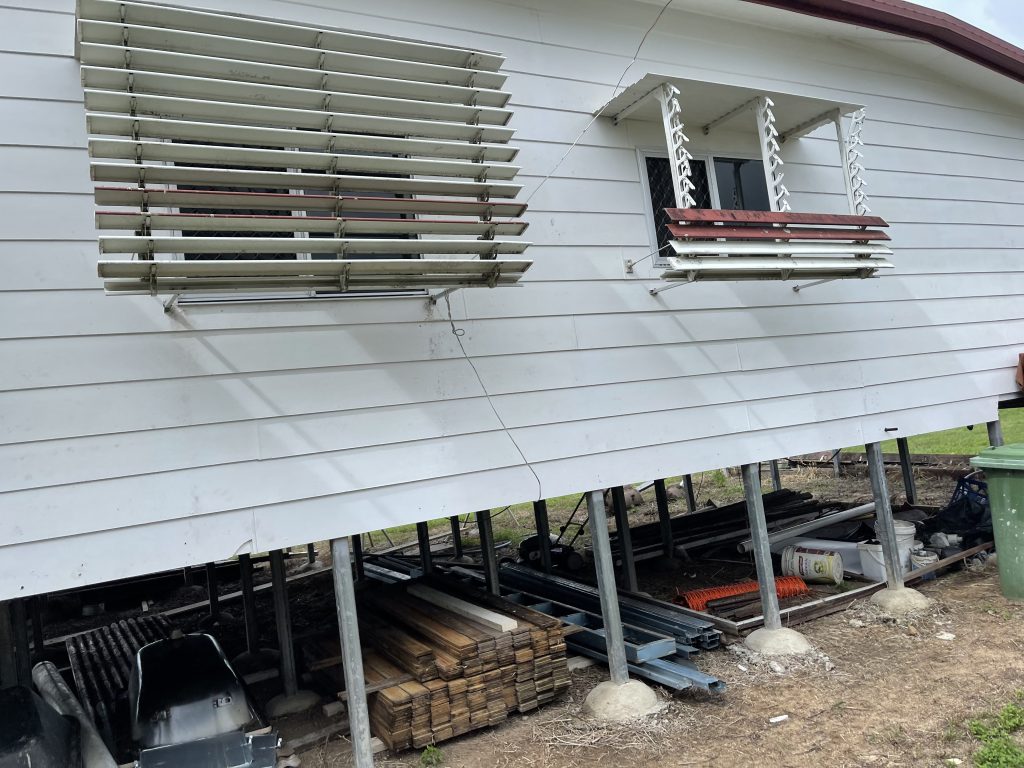
To wash a wall ready to paint, first check the wall material, existing coating and surface condition. Work in manageable sections and follow the preparation instructions for your chosen paint. Cleaning is one part of preparation; repairs, drying and any required priming still need attention.
2. Plan access and protect nearby fittings
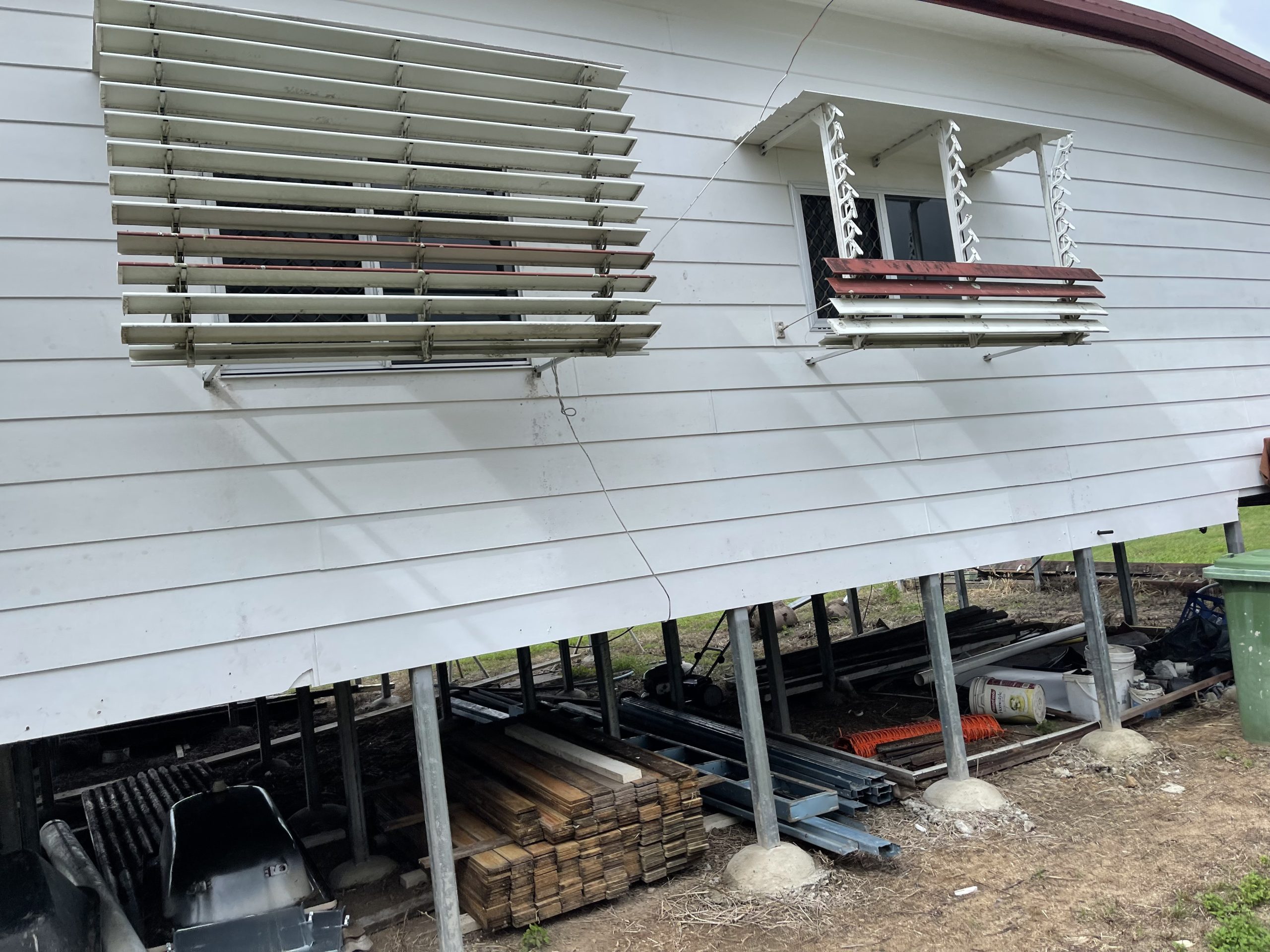
Identify electrical fittings, windows, vents and damaged seals before cleaning. Keep water away from electrical equipment; tape alone does not make a fitting waterproof. Clear movable items, explain access restrictions and agree how neighbouring surfaces and washwater will be managed.
3. Choose suitable products for washing before painting
Our exterior house washing service uses a cleaning approach suited to the wall surface.
Use a cleaning product suited to the wall, existing coating and type of build-up. Follow the label for application, dilution, protective equipment and contact time. Describe previous treatments when asking for a quote. The cleaning method should also fit the preparation requirements of the paint you intend to apply.
Test a small, inconspicuous area before working across the wall. If the coating lifts, the surface powders or material breaks away, stop and arrange an assessment. A wash may reveal preparation or repair work that needs attention before repainting.
4. Rinse according to the product instructions
Use the contact time and rinsing method on the chosen product label. Work in manageable sections and avoid letting cleaner dry on the wall unless the manufacturer specifically directs otherwise. Rinse residue and affected adjoining surfaces, taking care around openings and fittings.
5. Confirm the wall is ready for the coating
A clean-looking wall is only one part of paint preparation. Check for remaining residue, loose or chalking paint, cracks and areas that need repair or priming. Allow the surface to meet the drying and moisture requirements of the paint system before work continues.
Do not rely on a fixed waiting time for every wall. Shade, weather, the wall material and the intended coating all affect the plan. Your painter or paint supplier can confirm the preparation required for that particular surface.
Does washing replace scraping, repairs or priming?
No. Cleaning removes surface build-up; it does not make a damaged coating sound. Agree with your painter which preparation tasks happen before and after washing. For a concrete surface, see our concrete wall cleaning guide.
What information helps the cleaner and painter coordinate?
Share the proposed paint system, the wall material and details of any existing coating. Send ground-level photos showing the full wall, close-ups of problem areas and the available access. Mention previous repairs, peeling paint, water-entry problems and areas that remain shaded.
Ask the painter to explain what condition the surface needs to be in before painting begins. Then agree which tasks are included in the washing quote. Keeping the responsibilities clear helps avoid assuming that washing includes scraping, patching, sanding or priming.
Can I wash a wall ready to paint the next day?
Discuss both appointments together, but allow the preparation plan to account for the actual surface and weather. If cleaning reveals loose coating or damage, the painter may need to revise the work before applying a finish.
Confirm who will inspect the dried surface and decide whether further preparation is required. Do not use a photograph of a wet wall as the final check: agree on a review of the surface in the condition required by the paint manufacturer.
Arrange Help to Wash a Wall Ready to Paint
Access, surface condition and the size of the area affect the time needed. For preparation information, read Dulux’s exterior surface preparation guide and the instructions for your paint.
Need help to wash a wall ready to paint in Mackay? Request a quote from Pristine Washing or call 0402 741 670.